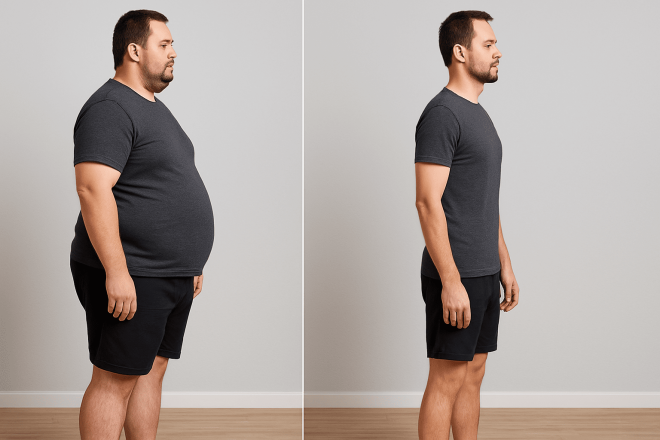
Losing 50 pounds is a big goal, and if you are thinking about it, then you are reading the right blog. There are a lot of people who want to lose weight and make big changes in their health. But the truth is losing weight on a fast pace can be very dangerous. The safest way to lose weight is slowly, giving your body time to adjust.
In this guide, we will look at:
- How long it really takes to lose 50 pounds
- What affects your speed of weight loss
- How to create a safe plan
- Mistakes to avoid
- Expert advice and real success tips
What Does “Safe Weight Loss” Mean?
Doctors and experts all agree: losing weight safely means losing 1 to 1 pounds per week. Although it might sound slow to you, as time goes on, it will all add up.
Why not lose faster? Because crash diets or extreme workouts can:
- Make you lose muscle instead of fat
- Slow down your metabolism
- Cause nutrient deficiencies
- Lead to quick weight regain
Think of it this way: if you want to build a strong house, you need to take your time with the foundation. If you rush, the house will collapse. Safe weight loss works the same way.
How Long Does It Take to Lose 50 Pounds?
If you follow the safe method of 1 to 2 pounds per week, here is how long it might take:
- 1 pound per week: 50 weeks – about 12 months (1 year)
- 1.5 pounds per week: 33 weeks – about 8 months
- 2 pounds per week: 25 weeks – about 6 months
So realistically, it takes 6 to 12 months for most people to lose 50 pounds safely.
Some people may lose faster in the beginning, especially if they start at a higher weight, but the key is consistency.
What Affects How Fast You Lose Weight?
Everyone has a different pace of losing weight. Here are some elements that play a big role:
1. Your Starting Weight
People who start at a higher weight often lose faster at first because their body burns more calories.
2. Your Diet
Weight loss comes down to a calorie deficit, burning more calories than you eat. But it’s not just about eating less. Choosing nutrient-rich foods like lean protein, vegetables, fruits, and whole grains keeps you full and healthy.
3. Exercise
Exercise helps you burn calories and keep muscle while losing fat. The best plan combines cardio (like walking, cycling, or swimming) with strength training (lifting weights or bodyweight workouts).
4. Sleep and Stress
Not getting enough sleep or being too stressed can mess with hormones that control hunger. That is why rest and stress management are just as important as food and workouts.

ALT TAG: A person exercising in a modern gym environment to lose weight.
How to Build a Safe Weight Loss Plan
Set Realistic Goals
Divide the goal into smaller targets, such as losing 5 or 10 pounds at a time, rather than concentrating only on “50 pounds.” You stay motivated with each accomplishment.
Eat Balanced Meals
- Prioritize protein (chicken, fish, beans, eggs)
- Load up on vegetables and fruits
- Choose whole grains over refined carbs
- Drink water instead of soda or juice
You don’t need to cut out entire food groups, just make healthier swaps.
Stay Active
Aim for at least 150 minutes of moderate activity per week. Even small things like taking the stairs, walking after dinner, or dancing to music add up.
Rest and Recover
You need 7 to 9 hours of sleep a night. This helps your body repair and prevents cravings.
Healthy Habits That Stick
The secret to lasting weight loss is turning changes into habits you can enjoy forever.
- Start small: Swap one soda a day for water. Take a short walk after lunch.
- Stay consistent: Progress may be slow, but every healthy choice adds up.
- Celebrate non-scale victories: Maybe your clothes fit better, or you have more energy, even if the scale hasn’t moved much.
Remember: this is a marathon, not a sprint.
Mistakes to Avoid
These are the common mistakes people make when they try to lose 50 pounds:
- Over-restricting calories: Eating too little slows your metabolism.
- Skipping meals: This often leads to overeating later.
- Fad diets: Cutting carbs or fat completely isn’t sustainable.
- Relying only on exercise: You can’t out-exercise a poor diet.
- Ignoring mental health: Stress eating and emotional eating can undo progress.
What Experts Say
According to the CDC and Mayo Clinic, the healthiest way to lose weight is 1 to 2 pounds per week. Dietitians often say weight loss is 80% nutrition and 20% exercise, meaning what you eat matters even more than how much you work out.
Real-life success stories also show that consistency beats perfection. People who lost 50 pounds didn’t give up after bad days they kept moving forward.
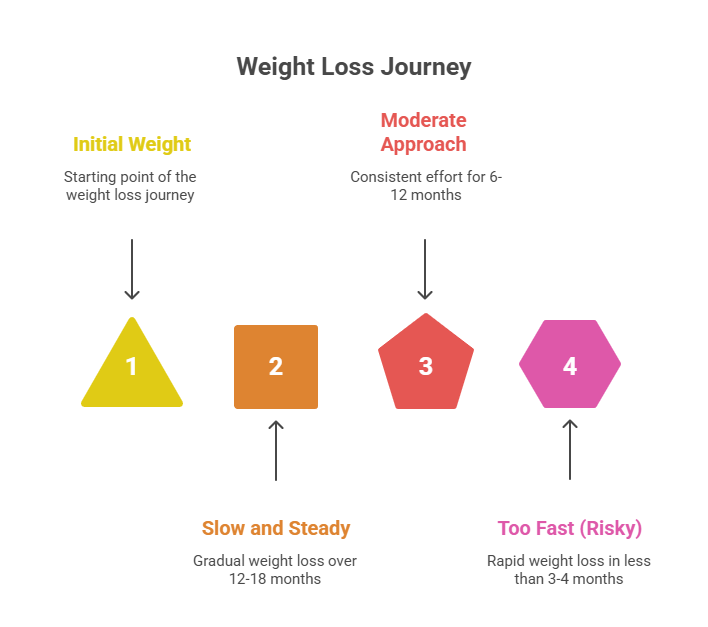
Sample Timeline for Losing 50 Pounds
Here is what different approaches might look like:
- Slow and Steady: 12 to 18 months – great for building habits
- Moderate Approach: 6 to 12 months – requires consistent effort
- Too Fast (Risky): Less than 3 to 4 months – usually unsafe, unsustainable
It is better to take longer and keep the weight off than to rush and gain it back.
Tracking Your Progress
The scale is not the only way to measure success. Try:
- Tracking calories with apps like MyFitnessPal
- Taking body measurements (waist, hips, arms)
- Checking how clothes fit
- Tracking energy, mood, or fitness milestones
- Weighing yourself once a week (not daily) is best for seeing true progress.
Conclusion
I will be honest with you, losing 50 pounds is not easy. I have been through it myself, and there were days when I felt like quitting. But here is what I learned: if you stay consistent, you can do it. For most people, it takes around 6 to 12 months of steady effort, not overnight results.
The biggest secret? It is not about being perfect. You don’t have to eat “clean” 100% of the time or spend hours in the gym every day. What really matters is patience, choosing healthy foods most of the time, moving your body regularly, getting enough sleep, and keeping stress under control.
At the end of the day, losing 50 pounds is not just about the number on the scale. It is about becoming a healthier, stronger, and happier version of yourself. Trust the process, keep going, and remember you are capable of more than you think.
Frequently Asked Questions
1. How many calories should I eat to lose 50 pounds?
Usually, a 500–1,000 calorie deficit per day works. Use a calculator or ask a dietitian for your exact number.
2. Can I lose 50 pounds in 6 months?
Yes, if you lose about 2 pounds per week consistently. It requires discipline with food and exercise.
3. Do I need to cut out carbs?
No. Carbs like oats, fruits, and veggies are healthy. Just avoid processed carbs and sugar.
4. What’s the hardest part about losing 50 pounds?
Staying consistent when motivation fades. That’s why building habits is key.
5. How do I keep the weight off?
Keep exercising, eat balanced meals, and make changes you enjoy long-term. Don’t go back to old habits.
RELATED POST: 10 Healthy Foods That Help With Safe Weight Loss Naturally