
Expert Puppy Care Guide for Loving Dog Owners.
Bringing a puppy into your life is exciting, heartwarming, and a big responsibility. Puppies are full of energy, curiosity, and love. To help them grow into happy, well-behaved adult dogs, you need the right care, guidance, and knowledge. This guide gives you 15 expert tips backed by trusted sources to raise a puppy that’s healthy, confident, and loved.
1. Prepare Your Home Before They Arrive
It is important to ensure that the area is safe and puppy-proofed before one brings his or her puppy home. Puppies touch everything with their mouths and paws thus take away anything that is toxic, sharp or small enough to be swallowed. Widely used household hazards are electrical cords, chemicals, plants and foodstuffs such as chocolate or onions. A secure environment will be beneficial in avoiding injury and provide a rest and relax area to your puppy. This preconditions a calmer and safer pet.
2. Feed a Balanced, Puppy-Specific Diet
Good health is based on good nutrition. Puppies are fast growing and their bodies require more protein, vitamins and minerals than the adult dogs. Select a good quality puppy food that is prescribed by your veterinarian. Normal amounts of food eaten by puppies are 3-4 small meals in a day until around 6 months. Always supply clean and fresh water. Table scraps and junk human food should be avoided. Dogs can be exposed to many human food foods, which may be harmful to them, including grapes and xylitol.
3. Schedule Regular Vet Check-Ups
Veterinary care is essential for a healthy puppy. Your vet will:
- Give vaccinations to protect against disease
- Start parasite prevention for fleas, ticks, and worms
- Track growth and development
- Discuss spaying or neutering at the right age
Early and consistent vet visits help catch health issues before they become serious.
4. Establish a Routine From Day One
Puppies feel most secure when their day has structure. Establish a predictable routine that includes:
- Set mealtimes
- Regular potty breaks
- Play and exercise sessions
- A reliable bedtime
Consistency helps your puppy learn household rules and reduces anxiety and confusion.
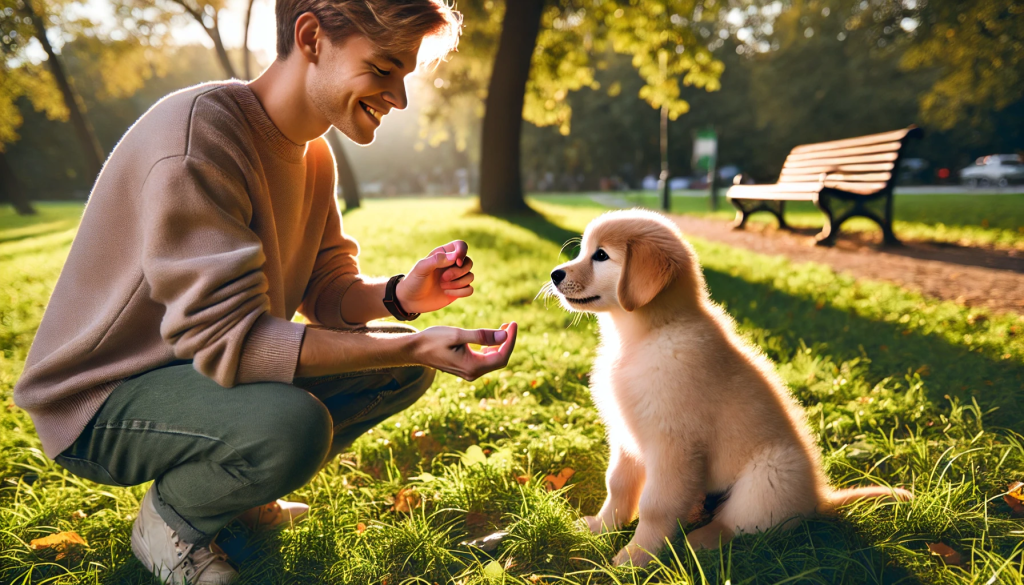
5. Start Training Early With Positive Reinforcement
Training does not only mean obedience, it will go to establish communication, trust and confidence between you and your puppy. Training of basics like sit, stay, come and down should be taught early and always be positive. Good behavior should be rewarded with praise, treats or play, and avoid punishment which will result in fear or anxiety. Make training short and enjoyable to the max – puppies most effectively train when they are involved and enjoy the game.
6. Prioritize Early Socialization
One of the most important predictors of future behavior is early socialization. Between about 3 and 16 weeks of age, puppies are most receptive to new experiences. Gradually and positively expose your pup to:
- Different people (including children)
- Other dogs and animals
- Various environments, textures, and sounds
- Everyday household activities
Positive socialization helps your puppy grow into a confident, friendly adult dog.
7. Provide Mental and Physical Exercise
Puppies are bundles of energy, but exercise is about more than physical health — it also supports their brain development and behavior.
- Play regular games like fetch or tug
- Use interactive toys and puzzle feeders to challenge their minds
- Take short walks appropriate for your puppy’s age and breed
Mental stimulation makes for a calmer, more content puppy and reduces unwanted behaviors like chewing or barking.
8. Establish Healthy Grooming Habits
Getting your puppy comfortable with grooming early will make future care much easier. A good grooming routine includes:
- Regular brushing based on coat type
- Bathing only when necessary with dog-safe shampoo
- Nail trims
- Ear cleaning
Grooming sessions are also bonding opportunities that help your puppy get used to being touched in sensitive areas.
9. Pay Attention to Dental Care
Dental health affects more than just your puppy’s teeth. Poor oral hygiene can lead to infections, pain, and other health problems. Start brushing your puppy’s teeth with dog-safe toothpaste early on, and provide dental chews or toys designed to reduce plaque. Your vet can also show you proper brushing techniques.
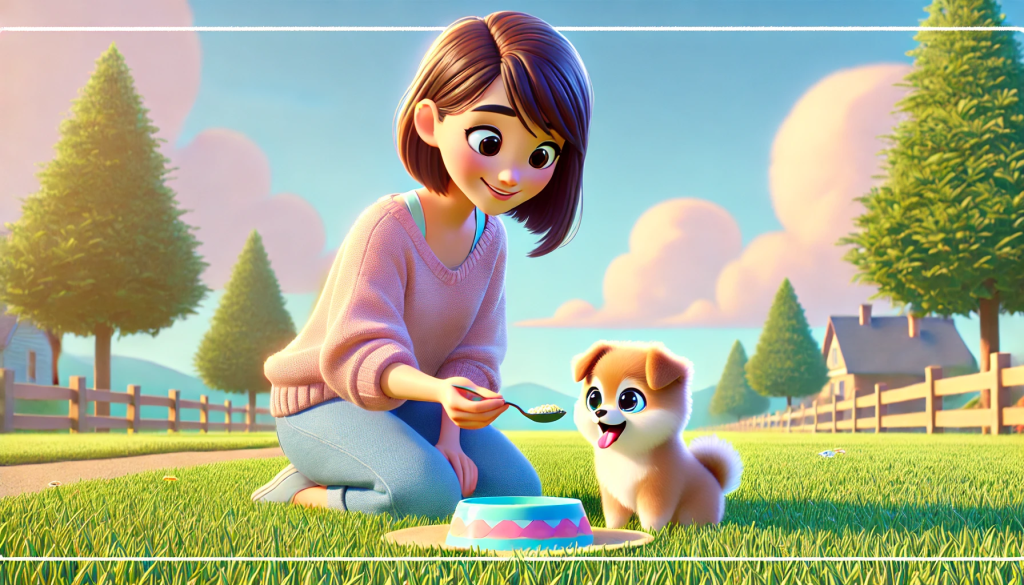
10. Crate Training and House-Breaking
Crate training gives your puppy a safe space to relax and helps with house-breaking. A crate should be:
- Comfortable with bedding
- Only large enough for your puppy to stand up, turn around, and lie down
- A place of positive experiences never used for punishment
Introduce the crate gradually and make it fun with treats and praise. For house training, take your puppy outside frequently, especially after meals, naps, and play sessions.
11. Teach Good Manners Through Consistency
One of the best pillars of good behavior is consistency. Give the same orders and demands daily and ensure that all members of your household abide by the same rules. Regularity will simplify the process of learning by your pup.
12. Use Only Positive Correction
Instead of correcting bad behavior, redirect your puppy to some other better thing. As an example, when they chew the wrong thing, then give them a chew toy that is safe to the puppy. Positive redirection helps instill confidence and teaches your puppy how to behave not what not to behave.
13. Monitor Health and Behavior Closely
Puppies can’t tell you when something is wrong you need to watch for signs of illness or discomfort:
- Loss of appetite
- Lethargy
- Vomiting or diarrhea
- Excessive scratching
- Unusual behavior
If you notice anything concerning, contact your vet promptly. Early detection can prevent small problems from becoming serious.
14. Build a Strong Emotional Bond
Your dog is looking up to you with his care, directions and love. Spend some good time together, playing, training or just cuddling. Close emotional connection enhances the level of trust of your puppy and makes them your lifelong partners.
15. Know When to Call a Professional
In certain instances issues are beyond the basic training. Special problems like aggression, anxiety or advanced obedience training are better treated with expert guidance by certified trainers or behavior specialists. Professional assistance is always a wise idea when it comes to need.
Final Thoughts: A Lifetime of Happiness Starts Today
Having a puppy is all about developing positive habits, keeping them healthy, and developing a relationship of love. With these 15 professional tips, you are providing your puppy with the opportunity to become a happy, healthy and a confident adult dog.
The patience, the perseverance, the thoughtfulness you invest to-day will pay you years of fidelity, affection, and indelible friendship.
NEXT POST: How to Fix Paraphimosis in Dogs at Home (Vet-Approved Guide)