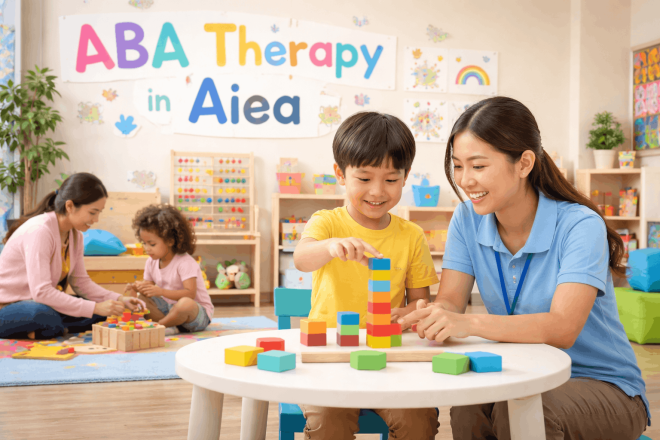
Applied Behavior Analysis (ABA) therapy is one of the most widely used and research-backed approaches for helping children, especially those with autism spectrum disorder (ASD), develop important life skills. It focuses on teaching positive behaviors, improving communication, and reducing challenges that may affect learning and daily life.
One of the most powerful benefits of ABA therapy is its ability to build confidence in children. Confidence is not just about feeling good it helps children try new things, interact with others, and become more independent. ABA therapy supports this growth step by step through structured learning, encouragement, and consistent success experiences.
This article explains how ABA therapy works and how it helps children develop confidence, independence, and emotional strength in everyday life.
What Is ABA Therapy?
ABA therapy stands for Applied Behavior Analysis. It is a scientific approach that studies how behavior works and how it can be improved through learning strategies. ABA therapy is highly structured and individualized, meaning each child gets a plan based on their specific needs, strengths, and challenges.
Therapists use methods like positive reinforcement, repetition, and step-by-step teaching to help children learn new skills. For example, a child may be taught how to brush their teeth, say hello, or ask for help in small, manageable steps. The goal is simple: help children build skills that improve their quality of life, independence, and confidence.
How ABA Therapy Builds Confidence in Children
Confidence grows when children repeatedly experience success, and ABA therapy is specifically designed around this principle. As an evidence-based intervention grounded in behavioral science, ABA focuses on breaking down complex skills into small, manageable steps so that children can learn in a structured and achievable way. Each completed step is intentionally reinforced through encouragement or meaningful rewards, which helps the child associate effort with positive outcomes.
Over time, these consistent success experiences strengthen a child’s sense of capability and self-belief, helping them internalize thoughts such as “I can do this.” Research in applied behavior analysis highlights that this step-by-step learning process, combined with positive reinforcement, is a key driver in improving both skill acquisition and self-confidence in children with developmental needs, particularly when programs are individualized and data-driven to match each child’s unique progress and abilities
The Role of Positive Reinforcement
One of the most important tools in ABA therapy is positive reinforcement, which means rewarding a desired behavior so that it is more likely to happen again in the future. In this approach, rewards can take different forms depending on what motivates the child, such as verbal praise like “Great job!”, small rewards like stickers or tokens, extra playtime, or simple social encouragement like high-fives and smiles.
When children receive this kind of positive feedback immediately after showing effort or completing a task, they begin to feel valued, supported, and capable of success. Over time, these repeated experiences of encouragement help strengthen their self-esteem and increase their willingness to try new skills. According to behavioral science principles used in ABA, this consistent pairing of effort with positive outcomes helps children understand that their actions lead to meaningful results, which is a key foundation for building lasting confidence and motivation to learn.
Breaking Down Skills Into Simple Steps
Many tasks in life can feel overwhelming for children. ABA therapy solves this by using a method called task analysis, which breaks big tasks into smaller, easier steps.
For example, brushing teeth may be broken down into:
- Pick up toothbrush
- Apply toothpaste
- Brush top teeth
- Brush bottom teeth
- Rinse mouth
By learning one step at a time, children feel less pressure and more success. This approach helps them feel proud of what they can do. As children master each step, their confidence naturally grows because they see real progress in their abilities.
Building Communication Skills
Communication is one of the most important parts of confidence. ABA therapy focuses heavily on helping children express themselves clearly.
Children are taught how to:
- Ask for what they need
- Express feelings like happiness or frustration
- Answer questions
- Start conversations
When children can communicate better, they feel more in control of their environment. This reduces frustration and increases confidence in social situations. For example, instead of crying when they need help, a child learns to say, “Help me please.” That simple change can greatly improve their confidence.
Improving Social Skills and Friendships
Social confidence is important for making friends and participating in group activities. ABA therapy teaches children how to interact with others in a structured and supportive way.
Children practice skills like:
- Greeting others
- Taking turns
- Sharing toys
- Maintaining eye contact
- Playing cooperatively
These skills are often taught through role-playing and guided practice. As children become more comfortable socially, they begin to enjoy interactions instead of avoiding them. This leads to stronger friendships and higher confidence in group settings.
Creating Structure and Routine for Emotional Security
Children often feel more confident when they know what to expect. ABA therapy provides clear routines and structure, which helps reduce stress and anxiety.
When children understand their daily schedule, they feel safe and prepared. This sense of predictability allows them to focus on learning instead of worrying about what comes next.
A stable routine might include:
- Learning time
- Playtime
- Meal breaks
- Social interaction practice
This structured environment helps children feel more in control, which directly supports confidence building.
Encouraging Independence in Daily Life
A major goal of ABA therapy is to help children become more independent. Independence is closely linked to confidence because it shows children they can take care of themselves.
Children learn daily living skills such as:
- Dressing themselves
- Eating properly
- Cleaning up toys
- Following instructions
When children complete these tasks on their own, they feel proud and capable. This strengthens their belief in themselves and prepares them for real-world challenges. Each new skill mastered becomes another building block of confidence.
Reducing Challenging Behaviors
Some children struggle with behaviors that make learning or social interaction difficult, such as frustration, aggression, or avoidance. ABA therapy helps reduce these behaviors by teaching better ways to respond. For example, instead of yelling when frustrated, a child might learn to ask for a break. As these challenges decrease, children feel more successful and less overwhelmed. This improves emotional stability and increases confidence in daily life situations.
The Long-Term Impact of ABA Therapy on Confidence
The effects of ABA therapy build over time. Children do not just learn skills—they learn how to learn.
Long-term benefits include:
- Stronger independence
- Better communication
- Improved emotional control
- Greater willingness to try new things
- Increased self-esteem
As children grow, these skills help them succeed in school, friendships, and later life. Confidence developed through ABA therapy often stays with them because it is built through real achievements and repeated success.
Why ABA Therapy Is Effective
ABA therapy is effective because it is:
- Individualized to each child
- Based on scientific research
- Focused on real-life skills
- Reinforced through positive experiences
- Structured but flexible
Because every child learns differently, ABA therapy adapts to meet their unique needs, making it a powerful tool for development.
Conclusion
ABA therapy is more than just a learning method it is a pathway to building confidence, independence, and emotional growth in children. By breaking skills into small steps, using positive reinforcement, and creating structured learning environments, ABA helps children experience success every day. These small successes build into strong self-belief over time.
Most importantly, ABA therapy teaches children one powerful lesson:
They are capable of learning, growing, and succeeding. That confidence becomes the foundation for a brighter and more independent future.
NEXT POST: 11 Proven Ways to Keep Love Strong After 10 Years