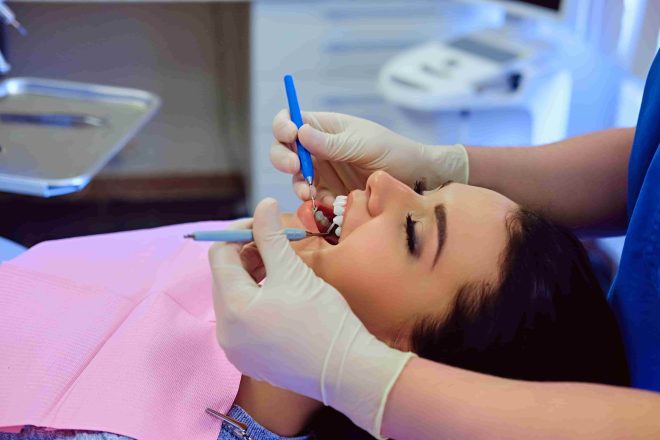
The first thing people see is a smile. I have witnessed the patients enter my clinic with their mouths covered when laughing and walk out several weeks later smiling, shoulders straight, and confidence renewed. That transformation is not just cosmetic. It is heartfelt, human, and very personal.
You are not the only one who felt like not speaking, laughing, or taking pictures due to your teeth. A lot of individuals bear that discomfort without uttering a word. The good news? Cosmetic dentistry may oftentimes do so in a manner that transcends far beyond outward looks.
We shall discuss five definite indicators that cosmetic dentistry may actually make you feel better about yourself–and how to tell whether it would help you.
What Is Cosmetic Dentistry? (Simple Explanation)
Cosmetic dentistry focuses on improving the look of your teeth, gums, and overall smile. This includes treatments like whitening, veneers, bonding, crowns, and clear aligners.
But it’s not just about looks. Many of these treatments also improve how your teeth function and protect your long-term oral health.
1. You Hide Your Smile in Photos
If you find yourself holding back your smile in photos, that’s more than just a habit it’s often a quiet sign that your confidence is being affected.
In my daily practice as a dentist, I notice this immediately. Patients may not always say they’re unhappy with their teeth, but their body language tells the story tight smiles, turned faces, or a quick hand covering their mouth. These small actions often come from deeper concerns about how their teeth look.
Common reasons patients feel this way include:
- Stained or yellow teeth: Over time, drinks like coffee, tea, and soda as well as smoking and natural aging can darken your teeth. This can make your smile look dull or older than you feel.
- Chipped or uneven edges: Even a small chip or rough edge on a front tooth can stand out more than you think. Patients often say this makes them feel self-conscious when speaking or smiling up close.
- Gaps between teeth: Spaces between teeth can draw attention and make some people feel their smile looks incomplete or unbalanced.
These are not rare issues they are some of the most common concerns cosmetic dentists treat every day. In fact, dental imperfections like discoloration, gaps, and chips are known to affect how people feel about their appearance and how they interact socially.
2. You Feel Self-Conscious When Talking or Laughing
Take a moment and think about how often you speak, laugh, or connect with people throughout your day. Now imagine holding back in those moments pausing before you smile, filtering your laughter, or second-guessing how you look when you talk. Over time, that hesitation can quietly shape how you interact with the world. As a dentist, I’ve seen this pattern more times than I can count. It’s rarely said out loud but it shows in behavior.
Signs your smile is affecting how you interact with others:
Covering your mouth when you laugh: This often becomes an automatic habit. Even in moments of genuine joy, there’s a split-second reaction to hide your teeth, which can interrupt natural expression and make you feel less at ease.
Avoiding speaking in groups or public settings: When you’re worried about how your teeth look, you may hold back your voice. This can affect participation at work, in meetings, or even in casual conversations with friends.
Feeling nervous during everyday conversations: Instead of focusing on the interaction, your mind shifts inward thinking about your smile, your teeth, and how you’re being perceived.
3. You’re Unhappy with How Your Teeth Look
Let’s be honest brushing and flossing are essential, but they don’t fix everything you see in the mirror.
You can take great care of your teeth and still feel frustrated with how they look. And in my experience as a dentist, that frustration is completely valid.
Common concerns patients struggle with include:
- Crooked or crowded teeth: When teeth overlap or sit out of place, they can make your smile look uneven. But it’s not just about appearance crooked teeth can also make cleaning harder, increasing the risk of plaque buildup and gum problems over time.
- Stubborn stains that won’t go away: Even with regular brushing, stains from coffee, tea, smoking, or aging can settle deep into the enamel. These stains don’t respond well to regular toothpaste, which is why many patients feel stuck with a dull or yellow smile.
- Missing or damaged teeth: A chipped, cracked, or missing tooth can change the entire balance of your smile. It can also affect how you chew and speak, and in some cases, lead to further dental problems if left untreated.
4. You Avoid Social or Professional Opportunities
This is where confidence begins to move beyond how you feel and starts shaping how you live. In my clinical experience, this is often the turning point. Patients don’t just feel self-conscious they begin adjusting their behavior in ways that quietly limit their personal and professional lives.
Signs your smile may be holding you back:
- Avoiding photos altogether: You may step out of group pictures or insist on being “the one behind the camera.” Over time, this can make you feel left out of important memories and social moments.
- Skipping social events or gatherings: Whether it’s a party, a dinner, or even a casual meetup, discomfort with your smile can make you withdraw choosing isolation over interaction.
- Feeling anxious in interviews or meetings: Instead of focusing on what you want to say, part of your attention is fixed on how your teeth look when you speak. That distraction can affect how confidently you present yourself.
5. You Want Better Health AND a Better Smile
Here’s something many people don’t realize cosmetic dentistry isn’t just about how your smile looks. It can actually improve your oral health in very real, lasting ways. As a dentist, I often explain this to patients who think these treatments are “just cosmetic.” In reality, many of them play a key role in protecting your teeth, improving function, and preventing future problems.
How cosmetic dentistry supports your oral health:
Straight teeth are easier to clean and maintain: When teeth are crowded or misaligned, it’s harder to brush and floss properly. Food and plaque get trapped in tight spaces, increasing the risk of cavities and gum disease. Straightening your teeth makes daily cleaning more effective and helps keep your mouth healthier long-term.
Crowns protect and strengthen weak or damaged teeth: A dental crown acts like a protective shield. It covers a tooth that is cracked, worn down, or weakened restoring its strength and preventing further damage or infection. This allows you to chew comfortably while preserving the natural tooth underneath.
Dental implants restore missing teeth and prevent bone loss: When a tooth is missing, the jawbone in that area can begin to shrink over time. Implants replace both the root and the visible part of the tooth, helping maintain bone structure and keeping your bite stable. They also restore normal chewing and speaking function.
When Should You See a Dentist?
You should consider booking a consultation if:
- You feel embarrassed about your smile
- You avoid smiling or speaking openly
- You notice visible issues like stains, chips, or gaps
- Your teeth affect your confidence daily
A consultation is just a conversation it helps you understand your options without pressure.
Final Thoughts from a Dentist
Confidence doesn’t come from perfection. It comes from comfort. When you stop thinking about your teeth, you start focusing on living laughing freely, speaking clearly, and showing up as your true self.
That’s the real power of cosmetic dentistry. I have seen it change lives not in dramatic, unrealistic ways but in quiet, meaningful ones. And sometimes, that’s exactly what people need.
FAQs About Cosmetic Dentistry
1. Can cosmetic dentistry really boost confidence?
Yes. Many patients feel more confident in social and professional settings after improving their smile.
2. What is the most popular cosmetic dental treatment?
Teeth whitening is the most common because it’s quick, affordable, and effective.
3. Is cosmetic dentistry safe?
Yes, when performed by a licensed dentist using approved techniques, it is safe and widely practiced.
4. How long do cosmetic dentistry results last?
It depends on the treatment. Some last months, while others like veneers or implants can last many years.
5. Does cosmetic dentistry improve oral health?
Yes. Many treatments improve alignment, protect teeth, and make oral hygiene easier.
NEXT POST: How Can Cosmetic Dentistry Boost Your Confidence?