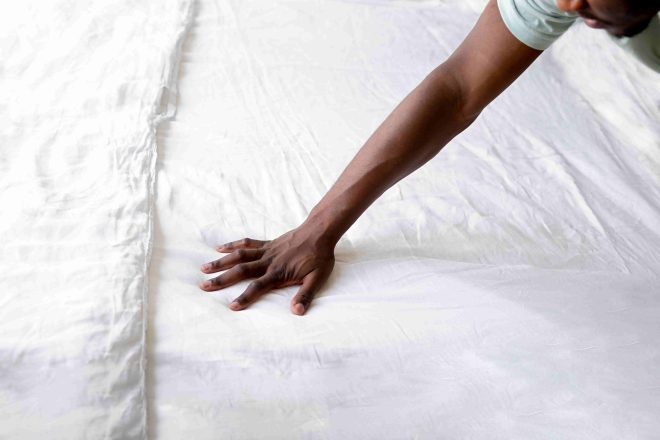
Purchasing the most suitable mattress protector might not be a thrilling purchase, but it is among the most brilliant purchases that one can make in their bedroom. You sleep, rejuvenate and recharge your batteries on your mattress. It is also among the most costly objects in your house. Nevertheless, a good mattress protector can make such an investment clean, healthy and durable.
Being a researcher into the topic of home textiles, sleep health, and bedding care, there is one thing that is quite clear: the demise of mattresses is premature not because they are poorly produced, but because they are uncovered. They are gradually worn down by sweat, spills, dust mites and allergens. A mattress protector is like a silent bodyguard: it is present at all times, performs its duty, and does not interfere with your comfort.
The guide is composed on the 8 th grade reading level and in clear language with real-life examples. It is a combination of professional knowledge, proven practices in the industry as well as practical advice that will enable you to select the most appropriate mattress protector in your bedroom with great confidence.
What Is a Mattress Protector and Why Is It Important?
Mattress protector is a fitted sheet, which is placed on top of your mattress but beneath fitted sheet. Its primary purpose is to shield the mattress against the moisture, stains, allergens, and day-to-day wear. The body secretes oils and sweat every night. With time they sink into the bed. Dust mites are also fond of warm and damp conditions and mattresses make a good residence.
When dirt, moisture, or allergens enter into a mattress, they cannot be eliminated. A mattress protector forms a shield. It prevents spills, sweat, dust mites and even bacteria and yet allows you to sleep comfortably. Imagine it as an action of wearing a rain jacket as the jacket covers but does not prevent you to move or breathe.
Mattress Protector vs Mattress Pad vs Mattress Cover
These are the products that many people mix with, and we shall find clarity on the same.
- Mattress Protector: is protection oriented. It is typically waterproof or hypoallergenic and is commonly thin.
- Mattress Pad: This provides an additional cushioning to prevent discomfort, but it is not necessary to always prevent any spills.
- Mattress Cover or Encasement: Is a full cover of the entire mattress that is frequently zippered to protect against allergens or bed bugs.
A mattress protector is suitable to use on a daily basis in case you want to keep your mattress untouched and simultaneously want to protect it.
Types of Mattress Protectors
Not all mattress protectors are the same. The best one for you depends on your needs.
Mattress Covers that are waterproof.
These are the most popular. They shield spills, sweat and accidents. Contemporary waterproof protectors have a thin layer behind them preventing any liquid to flow through, yet allowing air to flow through. They are perfect with children and pets and any other person who desires a peaceful environment.
Bathing and Cooling Mattress Covers.
Breathability is important, in case you are a hot sleeper. Cooling protectors are made of the material, which can be passed through by air and extract moisture out of your body. This aids in temperature control and elimination of overheating.
Mattress Protectors Hypoallergenic.
They are used to keep out dust mites, pollen and pet dander. They are an intelligent alternative to individuals who are allergic, asthmatic, or who have sensitive skin.
Mattress Encasements
The mattress is completely covered with encasements which zip close. They are usually advised when a severe protection against allergies or even a bed bug is required. Most individuals like fitted-type protectors as the main source of ordinary comfort.
Materials Used in Mattress Protectors
The fabric influences the comfort and durability and breathability.
Cotton
Cotton is breathable, lightweight and comfortable. It is relaxed and effective with the majority of sleepers. Cotton protectors are very good to use on daily basis particularly together with waterproof backing.
Bamboo and Tencel
These fabrics are referred to as cooling and moisture wicking. They also are environmental-friendly and have a natural resistance against bacteria. Popular with hot sleepers are bamboo or Tencel protectors.
Polyester Blends
Polyester blends are powerful, cheap and do not require a lot of care. Even non-natural fibers, though not necessarily as comfortable as natural ones when it comes to breathability, can be soft and feel comfortable.
Terry Cloth
Terry cloth is a towel-like cloth that absorbs moisture. It is applied on the surface of waterproof covers commonly and is comfortable without being heavy.
How Waterproof Mattress Protectors Stay Comfortable
Most individuals fear that waterproof is hard and squeaky and hot. This was the case, although technology has been enhanced.
TPU vs Vinyl Backing
The ancient guardians had vinyl, which was plastic in nature and retained heat. The contemporary safeguards incorporate TPU (thermoplastic polyurethane). TPU is breathable, safe, quiet, and flexible. It does not allow liquid to pass through and it does not impact on comfort.
Noise-Free Design
An effective mattress cover is one that is quiet. When it folds upon movement, it normally indicates poorest quality of materials.
Breathability Balance
The most efficient ones are those that prevent moisture in addition to allowing the heat to dissipate. This makes you stay dry and comfortable overnight.
Choosing Based on Your Sleeping Needs
You must choose based on your lifestyle.
Hot Sleepers
Select breathable fabrics: bamboo, Tencel or cotton with a thin TPU layer. Do not use thick or plastic protectors.
Kids and Families
It is necessary to have waterproof protection. Searching for a gentle, machine-washable safeguard that is simple to stay in position and is frequently washed.
Allergy Sufferers
A tightly woven hypoallergenic protector is useful in keeping dust mites and allergens at bay. Additional trust is represented by certifications.
Pet Owners
Pets make fur, dirt and accidents. Select a long lasting waterproof protector that is not affected by odor and is easily washed.
Seniors or Medical Needs
The important ones are comfort, breathability, and quiet waterproofing. A properly crafted protector assists in dealing with the moisture and also makes sleep comfortable and dignified.
Getting the Right Size and Fit
A mattress protector only works well if it fits properly.
- Match the protector to your mattress size exactly.
- Check mattress depth, especially for pillow-top or hybrid mattresses.
- Look for deep-pocket designs if your mattress is thick.
- Elastic skirts around the edges help keep the protector in place.
A poor fit can bunch up, slip off, or feel uncomfortable.
Comfort Factors That Matter
A good mattress protector should feel almost invisible.
- Softness: The surface should feel smooth and gentle.
- Thickness: Thin enough to feel your mattress, strong enough to protect.
- Flexibility: Should move with you and the mattress.
- Noise: Should be completely silent.
If you notice your protector during the night, it’s probably not the right one.
Certifications and Safety Standards
Certifications will make you have confidence in what you sleep on.
OEKO-TEX Certification
This is an indication that the fabric has been characterized on harmful substances. It is particularly valuable to children, alleretic persons, and sensitive skin.
Why Certifications Matter
They demonstrate that the manufacturer is safety-conscious and resorts to quality materials. This creates confidence and trust in your buying.
Care, Maintenance, and Lifespan
Most mattress protectors are machine washable, which makes them easy to care for.
- Wash every one to two weeks.
- Use mild detergent.
- Avoid high heat when drying, as it can damage the waterproof layer.
With proper care, a good mattress protector can last two to five years.
Budget vs Premium Mattress Protectors
Budget options offer basic protection but may wear out faster. Premium protectors use better materials, feel softer, and last longer. If you have allergies, a thick mattress, or want long-term comfort, spending a little more is often worth it.
Common Mistakes to Avoid
- Choosing the wrong size
- Ignoring breathability
- Buying untested, low-quality materials
- Skipping certifications
- Avoiding these mistakes helps ensure comfort and protection.
Conclusion: A Small Choice That Makes a Big Difference
One of the simplest ways of enhancing the quality of sleep, safeguarding your health, and prolonging the life of your mattress is deciding what the most effective mattress protector to use in your bedroom could be. The protector of the right remains gentle, breathable, and comfortable in terms of defending against spills, allergens, and wears. By making that decision in regard to material, fit, certifications and what you need in bed, you are not purchasing bedding, you are purchasing improved sleep and tranquility.
GIPHY App Key not set. Please check settings